Relics
From Merriam-Webster:
Relic
1a: an object esteemed and venerated because of association with a saint or martyr. b: souvenir, memento
2: relics plural : remains, corpse
3: a survivor or remnant left after decay, disintegration, or disappearance
4: a trace of some past or outmoded practice, custom, or belief
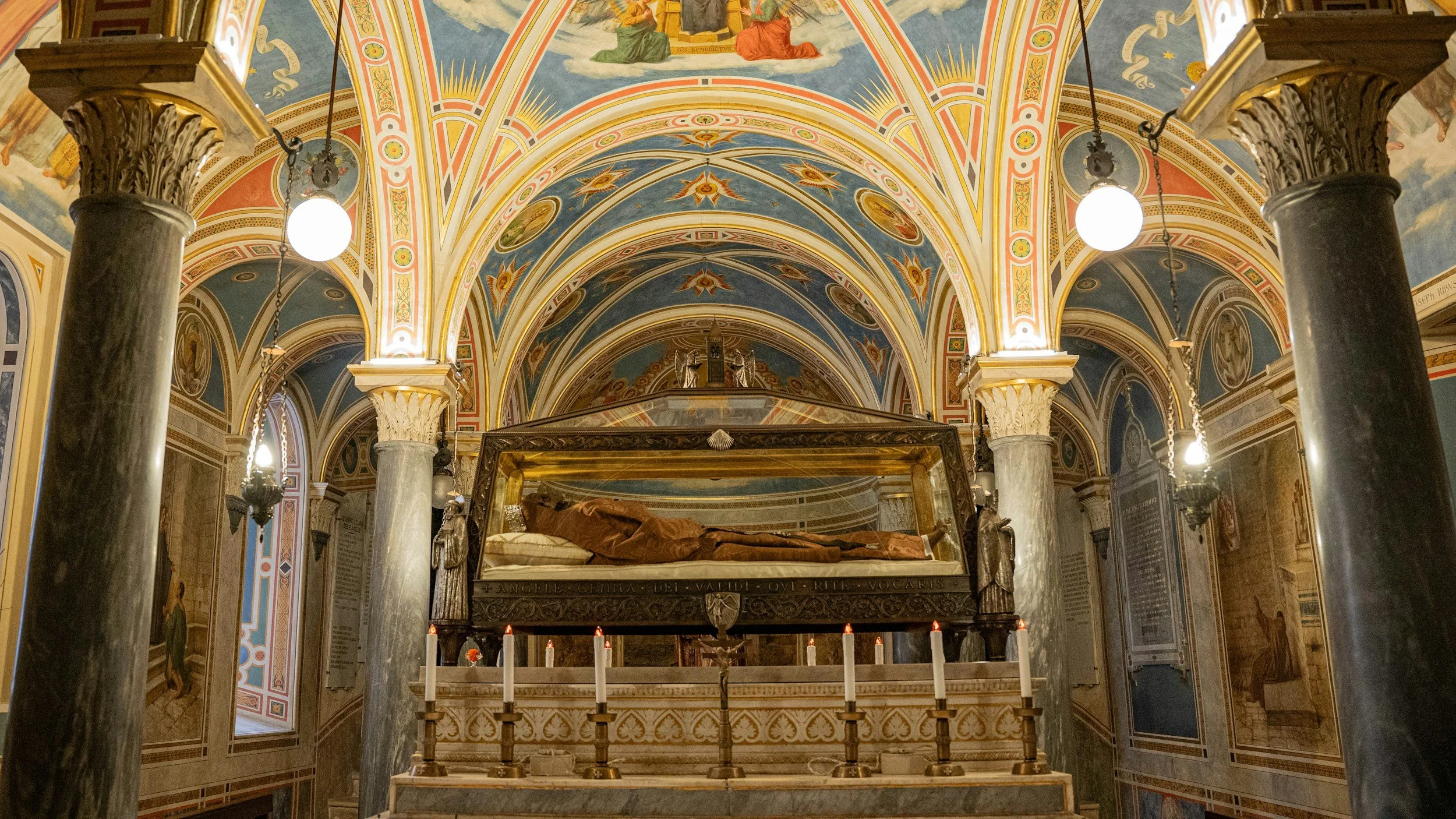

We all carry relics. The common metaphor is baggage, but I like relic better, because it can be either positive or negative. What we carry with us affects our experience in moving about. Some things weigh us down, and others equip us for the task ahead.
In Numbers 13, Moses sends 12 spies into the promised land that God was giving to Israel. Things go bad quickly upon their return and report to Israel. The spies were tasked with two objectives. Observe the land (is it good or bad?) and observe the people (are they weak or strong?). The spies came back and reported that the land was good. They had proof! Two men brought with them a cluster of grapes so large it needed to be hung from a pole carried between them! It was, in fact, a land flowing with milk and honey. But the report about the people was scary. They were bad, descended from giants. They were strong, and lived in fortified cities. They had found giants in the land! When the congregation of Israel, heard the report, they began to stir with fear. And instead of listening to the faithful testimony of Caleb, they let fear wreak havoc and confusion. Then out of a foggy mix of despair and panic, a modified report was shared. A few amendments turned down the volume on careful optimism and crescendoed into news that not even the land was good, because it “devours its inhabitants!”
I can’t help but think of the analogy between the spies going into the land and my own spying out of potential sites and cities for church planting. What kind of expectation am I taking into these places with me? In my research for Numbers 13, I came across John Flavel’s book “Triumphing Over Sinful Fear,” in which he refers to fear as a relic of unbelief. These relics haunt believers, kind of like the old self Paul talks about in Col 3, “seeing that you have put off the old self with its practices and put on the new self.” The old self is characterized by all forms of immorality. While, the new self is hidden in Christ and characterized by the fruits of the Spirit. Flavel’s relics of fear remind us that the old self is constantly trying to come back to life.
As believers, we know that we have been raised with Christ and we will be seated with him in the heavenly places. Our life is hidden with him; we ought to set our minds on things above, not on the things of earth.
Well then, I should be able to arrive at a location for church planting with confidence, not worried about where my children will go to school, or where we will live, or if we will fit into the community life of the area. All of these things are wise considerations, but my orientation to them should never be fearful. In other words, the mole hills should never be mountains, and even if there are mountains or even giants, as were in fact present in the good land, is our God not greater?
So I wonder, what could have been different for Israel had they spied out the land with eyes of faith instead of fear? Fear turned what should have been a pilgrimage for them into a fear-laden reconnaissance mission. What if they had hiked up to Hebron expectantly, recalling that Abraham and Sara were both buried there after receiving, in their old age, the child of promise, Isaac! Instead, the spies were more concerned with the size of the city walls and its fortifications. What if they had dropped their backpacks and gone to the top of Mt. Moriah, where God shook the bush with a ram to stop the fumbling faithful father from sacrificing his precious son? Or if they had found a lookout spot on the west bank of the Jordan River, and gazed eastward toward the tributary of Jabbok, where God had met their father Jacob and mercifully wrestled with the wily yet blessed younger brother. Had they found the pillar-like stones of standing Jacob erected at Bethel as a memorial of God’s promise to give this land to his descendants instead of fixating on the sons of Anak, the giants that had been there all along.
There are always giants in the land; there are a million reasons to say no to the good things God has prepared beforehand for us to walk in! But alongside those giants, there are often signs of hope, symbols of God’s faithfulness to his people. What are our eyes trained to see!? Let us train them on God’s faithfulness!
